
Re-sizing retail?
As the UK records its first fall in total retail space since the 1940s, how can real estate address the challenge of places that are over-shopped?
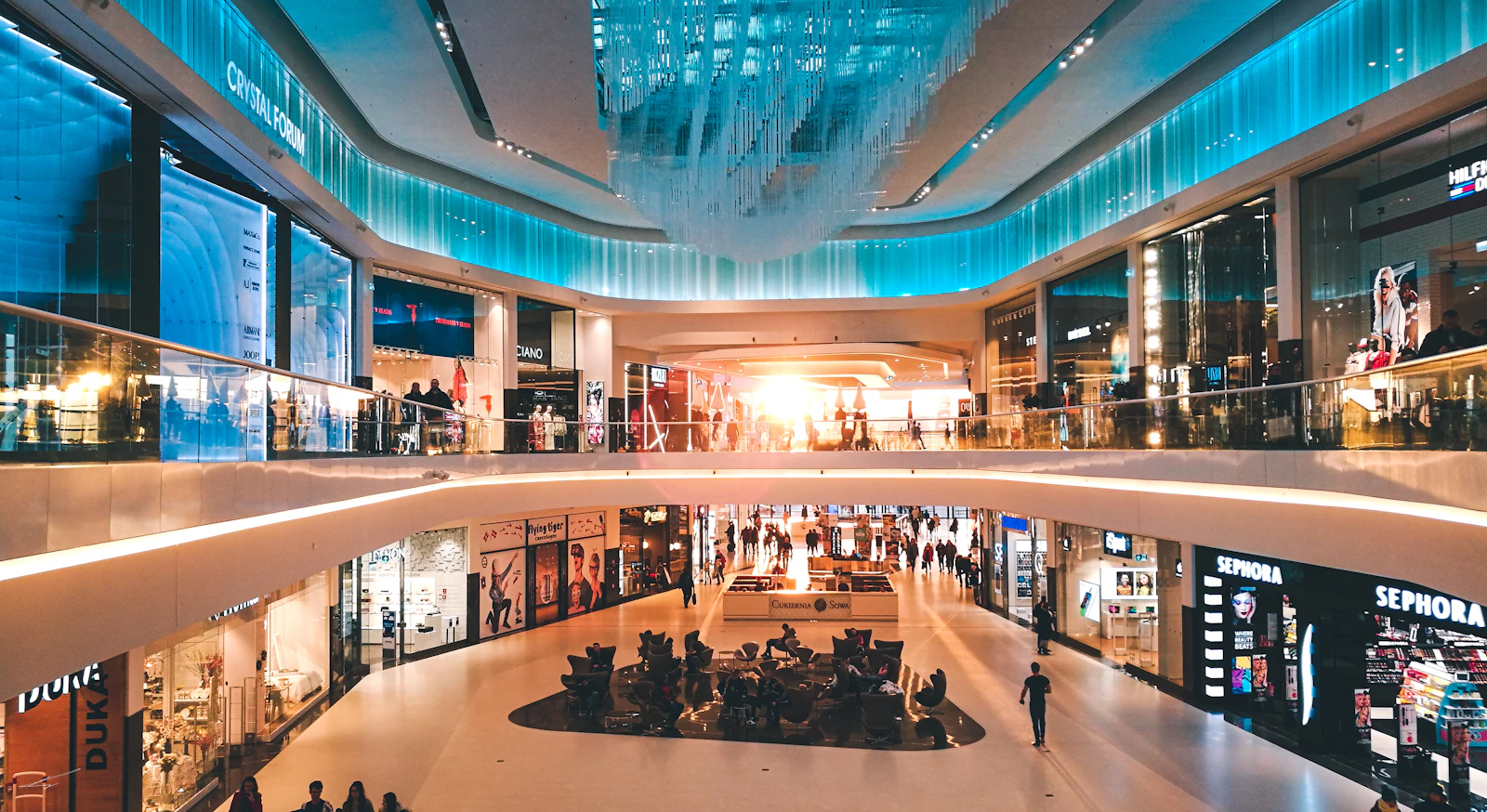
Britain, as Napoleon once allegedly noted with no small amount of disdain, is "a nation of shopkeepers". While plenty has changed in the intervening 250 years, there is more than a kernel of truth in the idea. UK retailers, brands and developers are often at the forefront of progress in the sector, pioneering new concepts, approaches and markets.
Which makes the news this week, that total retail floorspace in the UK fell in 2025 for the first time since the 1940s, all the more noteworthy. Research undertaken by CoStar revealed 800,000 sq ft of shops were lost last year, with a further fall of 700,000 sq ft in 2026 to date. Work began on just 2 million sq ft of new shops in 2025, 40% less than the previous year and a whopping 85% down on 2017 levels.
On the other side of the coin, redevelopment and repurposing activity has taken some notable assets out of the retail space ledger. Schemes such as the Hardshaw Centre in St Helens and the Core shopping centre in Leeds went the way of the wrecking ball last year, with assets such as residential rising in their wake.
None of this is especially surprising, and in many cases should be actively welcomed. It is widely accepted that the UK is 'over shopped', and a thinning out of underperforming and obsolete assets will both help those that remain and (hopefully) give relevant communities infrastructure and facilities more closely aligned to modern requirements.
Equally, while shrinking total retail space is emblematic of a paradigm shift in real estate's priorities, the numbers involved remain relatively small. 800,000 sq ft sounds like a big loss, but against total retail floorspace estimated at around 1.1 billion sq ft, it is not even a rounding error in the calculations.
So, what happens from here? Firstly, with development starts at decades-long lows, the trend is set to continue for some time yet; indeed, the losses so far this year suggest that the reduction in shop numbers is accelerating. There remain plenty of shopping centres for which demolition, redevelopment and repurposing are the best options available.
But knocking down a mall is a relatively straightforward thing to do: single ownership, occupying good sized plots that offer other potential uses and often with supportive local authorities looking for help reviving places that have fallen behind. The more difficult task will be bringing the amount of high street retail space in line with requirements.
In general, struggling town centres aren't devoid of retailers - it is just that there are more shops available than there are businesses to fill them, and the vacancies it creates suggest an air of decline. Populations in these places are large enough for viable high streets, but only if the town centre retail pitch is smaller and more concentrated. There are other uses (such as residential) that assets on the fringe could be used for, but that inevitably means finding scarce money and crystalising losses for some owners even if things are better in aggregate. With disparate ownership the norm, this process will be slow and drawn out, if it happens at all.
But if these town centres were created piecemeal, they can surely be recreated piecemeal too. Long-term approaches and painstaking site assembly require both local authority support and patient capital, but for those willing to put the time in, some genuine opportunities await.