
Sporting goods?
The FIFA World Cup is showing the transformative effect that sport can have on real estate.
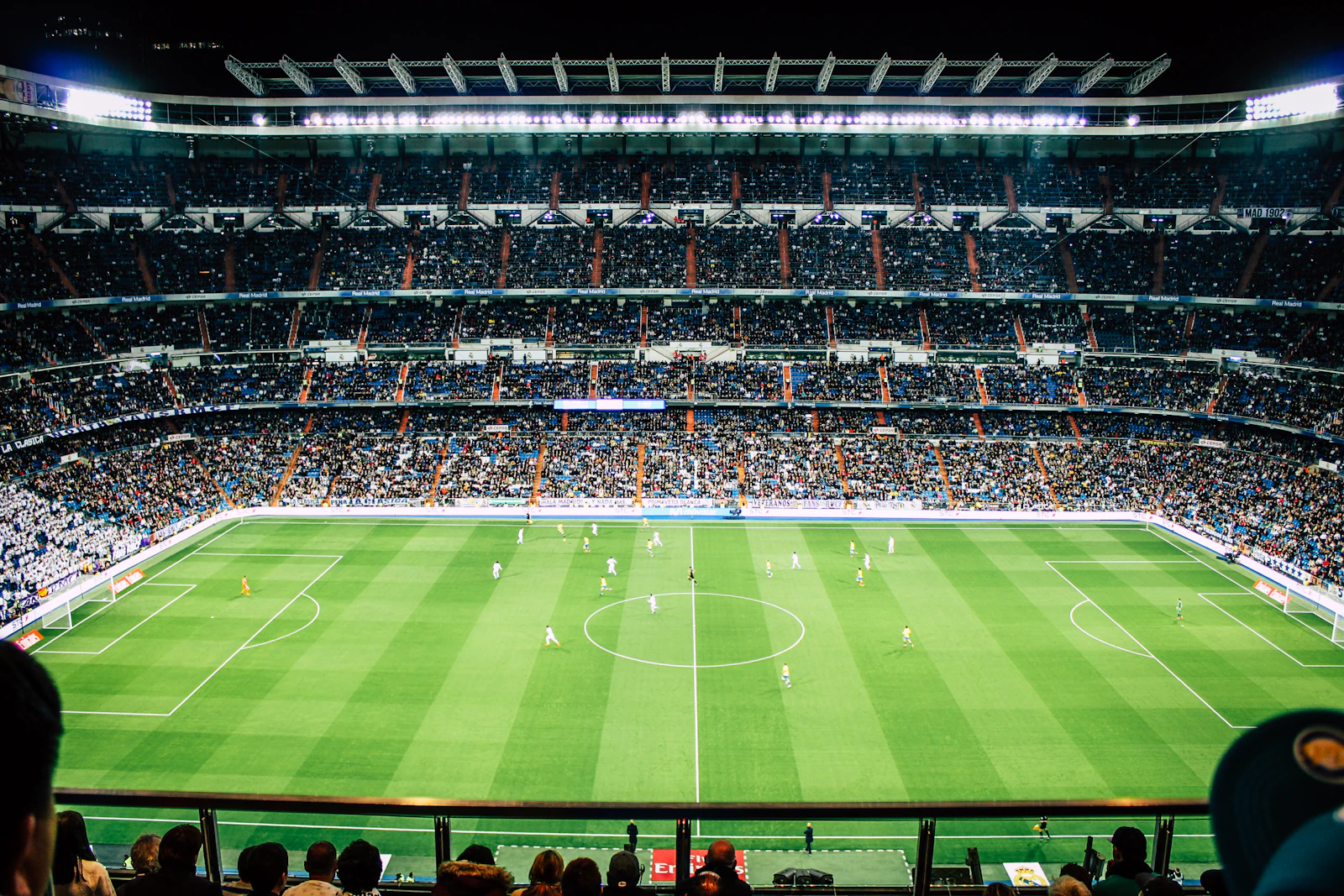
So, after 102 games, 48 teams have been whittled down to two: Spain and Argentina, who will battle it out in New Jersey on Sunday to become the next World Champion. While the tournament has had its share of controversies, on the pitch it has been the usual scenes of excitement, anxiety, heartbreak and sheer joy that only elite level sport can provide.
Readers will forgive Big Picture if we don't dwell too much on England's untimely exit, but the national team's run to the semi-final has had an impact beyond the fraught nerves of the fans. At a basic level, it has been a much-needed boon for struggling pubs, with revenue estimated to be anything up to £300 million higher over the past six weeks compared to a non-tournament year.
For any real estate investor with pubs and bars as occupiers, this increase in trade should at the least make the next couple of quarter day rent payments easier to invoice. And that is before ancillary elements are factored in: more people using nearby dining operators, higher merchandise sales in sports stores, even increases in footfall for those locations able to capitalise on match kick-offs at later times.
In an economy that remains sluggish at best, anything that encourages people to go out and spend money is hugely positive; as a barometer of underlying business activity, real estate is well-placed to benefit, albeit indirectly, from this boost. It is a similar effect to that seen around major events - last year's Oasis concerts spring to mind - that underpin an uplift in consumer spending, except it is not contained to one single location, but reaches across the entire country.
To take the halo effect one step further, a recent slew of masterplans are placing sporting and leisure venues at the heart of regeneration efforts. While the benefits of clustering around stadia have long been well understood, such schemes to date have often been either privately led and opportunistic - see Quintain's 2002 acquisition of the land around Wembley Stadium - or smaller scale, such as the mixed-use developments that helped fund the new home ground for AFC Wimbledon.
Last week saw the consultation launch of the new Trafford Wharfside masterplan, outlining Trafford Council's plans for the area - currently mainly industrial park - just over the water from Salford Quays. Almost every conceivable asset class is included in the plan, but crucially it is to become a district focused around the proposed new 100,000-seat stadium for Manchester United. To put it in shopping centre terms, the stadium will be both anchor tenant and raison d'etre for a new quarter to the south west of the city centre.
At a smaller scale, a venture between Leeds United, Leeds Council, West Yorkshire Combined Authority and The Lowy Family Group - of Westfield fame - is progressing with the regeneration of 40 acres around the club's Elland Road home. Upgraded sports facilities and public transport infrastructure will sit alongside 2,500 new homes, workspaces, public realm and retail.
The common feature, perhaps learned from the successful transformation of the area around the London Olympic Stadium (now home to West Ham), is the involvement of public bodies and adherence to an over-arching masterplan. Government bodies have realised the power of sport to deliver growth, and are keen to be involved in shaping it. For real estate that can work with such bodies, an open goal awaits.